 EXREY
Bohemian Rhapsody: The True Story of Queen and Live Aid
Mostly. Bohemian Rhapsody (2018) tells the real story of Queen and its singer Freddie Mercury, from the band's start in London in 1970 to its set at Live Aid on 13 July 1985. But it changes key facts for drama: Queen never broke up before Live Aid, and Mercury was diagnosed with AIDS in 1987, two years after the concert, not before it as the film shows.
Bohemian Rhapsody became the highest-grossing music biopic ever made and won four Academy Awards, including Best Actor for Rami Malek. Its final twenty minutes - a near shot-for-shot recreation of Queen's Live Aid set - are what most people remember. The story that leads up to them is true in outline, but the film rearranges history to build towards that concert.
What is true
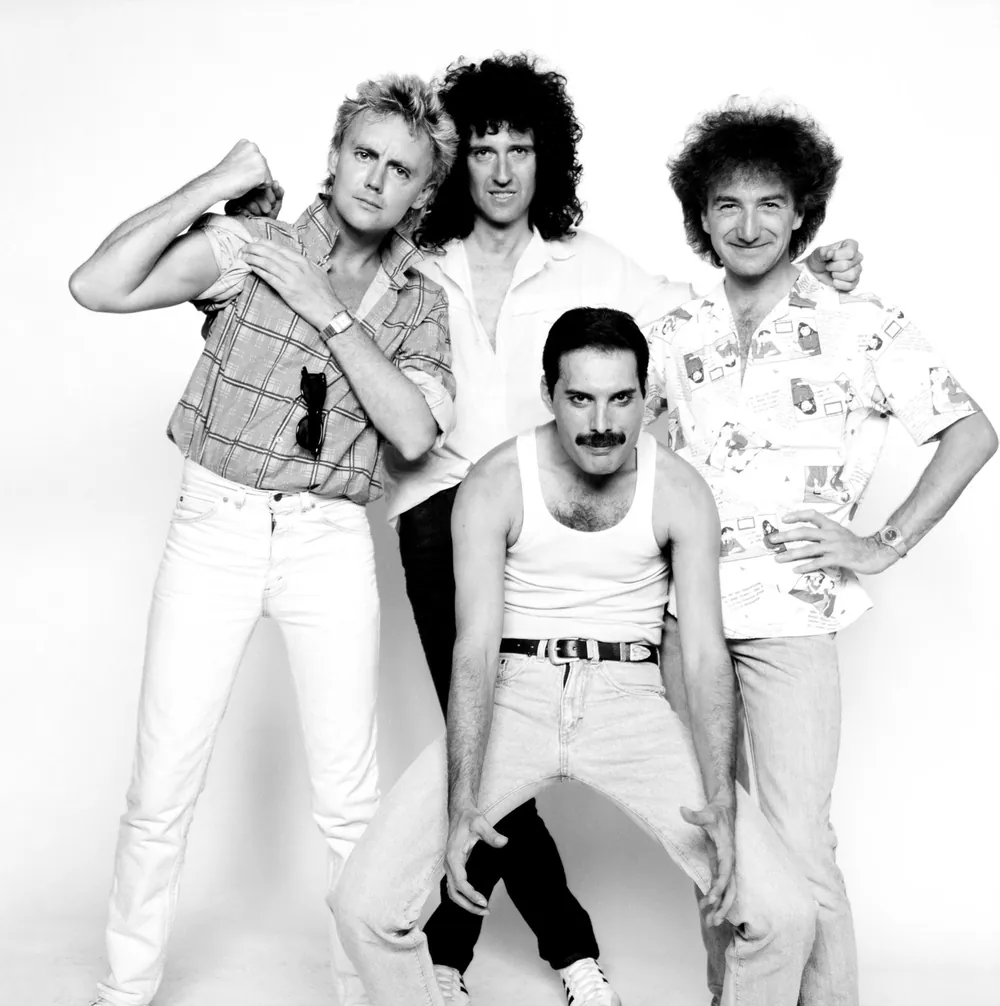
Freddie Mercury was born Farrokh Bulsara in 1946 in Zanzibar, to Parsi parents, and grew up partly in India before his family moved to England in 1964. In 1970 he joined guitarist Brian May and drummer Roger Taylor in the band that became Queen; bassist John Deacon joined in 1971.
The film's big moments are real: the six-minute single Bohemian Rhapsody (1975) that the record company thought was too long for radio, the operatic recording sessions, the stadium anthems We Will Rock You and We Are the Champions. So are Mercury's long friendship with Mary Austin, who remained one of the closest people in his life, and his later partner Jim Hutton.
What the film changed
- The diagnosis. In the film Mercury tells the band he has AIDS during rehearsals for Live Aid, which gives the concert its emotional weight. In reality he was diagnosed in 1987, two years later.
- The "break-up". The film shows Queen split apart by Mercury's solo deal and reunited for Live Aid. Queen never broke up: they released The Works in 1984 and had been touring until shortly before the concert. Roger Taylor and Brian May had both made solo records before Mercury did.
- Paul Prenter. Mercury's personal manager is shown as the villain who isolates him. Prenter did later sell stories about Mercury to the press, but the film compresses and sharpens his role.
- Timeline. Songs appear years before they were written - Fat Bottomed Girls, for example, is played on an early American tour in the film, but was released in 1978.
Live Aid
On 13 July 1985, at Wembley Stadium in London, Queen played a set of about twenty minutes in front of 72,000 people and a worldwide television audience. It is often called one of the greatest live performances in rock history, and the film recreates it almost exactly, down to the drinks on the piano.
After the film ends
Mercury kept recording with Queen after his diagnosis, mostly in private. He made his illness public on 23 November 1991 and died the next day, 24 November 1991, aged 45. Queen's last album with him, Made in Heaven, was released in 1995.
Why it still works
The film is less a history than a portrait of a performer who was most himself on stage. Its liberties with the timeline are real and worth knowing, but they serve one true thing: on that July afternoon in 1985, a band that many thought had peaked played the set of its life.
Questions people ask
Is Bohemian Rhapsody based on a true story?
Yes, on the history of Queen and Freddie Mercury, but with several important events moved or invented.
Did Freddie Mercury know he had AIDS at Live Aid?
No. He was diagnosed in 1987; Live Aid was in July 1985. The film moves the diagnosis earlier.
Did Queen break up before Live Aid?
No. Queen released The Works in 1984 and toured until shortly before Live Aid. Mercury's solo album was not a betrayal - other band members had made solo records first.
Who played Freddie Mercury?
Rami Malek, who won the Academy Award for Best Actor for the role.